Theo Baumann · 2 September 2026
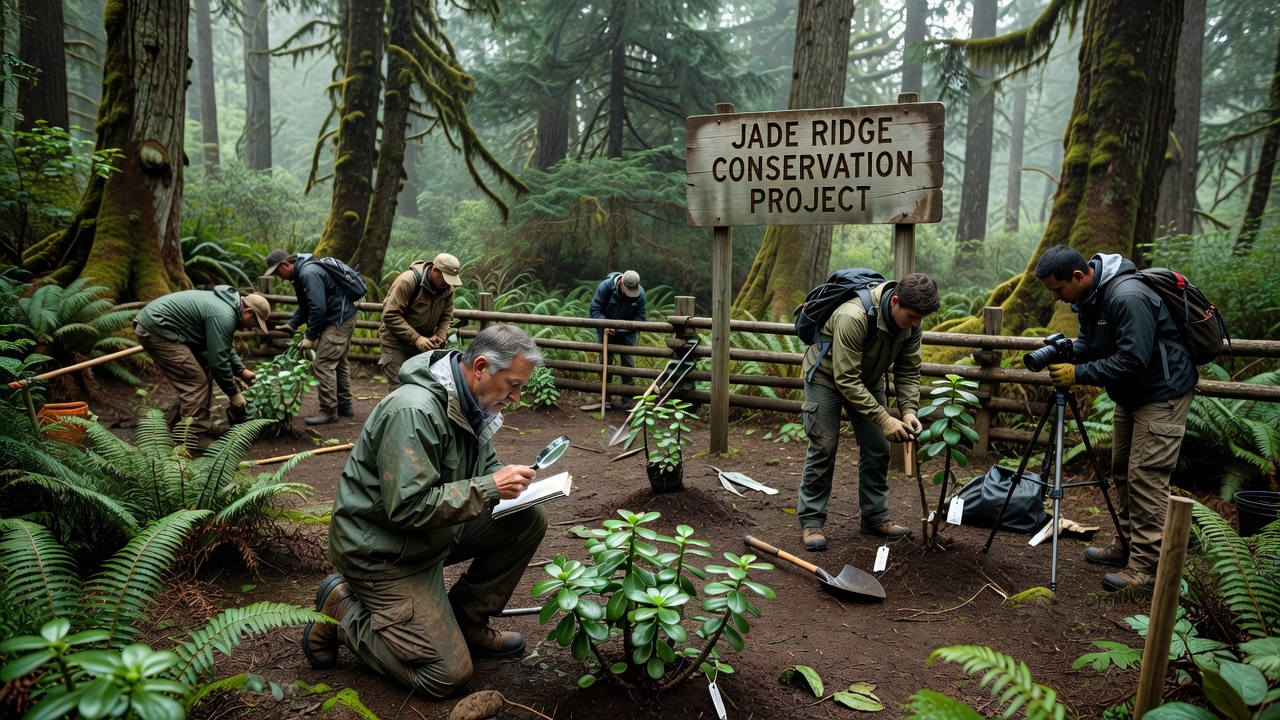
The Jade Ridge forests have become the focal point of heightened wildlife conservation activities as local organizations and government agencies collaborate to protect endangered species and their habitats. Recent reports indicate a surge in funding and volunteer participation aimed at preserving the biodiversity of this unique ecosystem. Researchers note that several species, including the jade fox and rare migratory birds, have shown signs of population recovery due to targeted interventions.
Enhanced Monitoring and Protection Measures
Authorities have implemented advanced tracking technologies to monitor animal populations more effectively. Camera traps and drone surveillance are now routinely used to gather data on species movements and habitat use. Anti-poaching patrols have been increased, leading to a reported 30 percent decrease in illegal activities within protected zones. Habitat restoration projects involve planting native vegetation to support the food chain for herbivores and predators alike. These measures form part of a strategy to combat climate change and human encroachment that have threatened the area in recent years. Experts from the Jade Ridge Wildlife Institute stress the importance of maintaining ecological balance through data-driven approaches and regular assessments.
Public Engagement and Long-Term Goals
Community members participate through educational workshops and citizen science programs that track local wildlife sightings. Schools in the vicinity have integrated conservation curricula to raise awareness among younger generations. Officials aim to expand protected areas by 20 percent over the next five years while pursuing international partnerships for sustainable funding. Success stories from similar initiatives in neighboring regions provide optimism for achieving significant milestones in preservation. Continued vigilance and adaptive management remain essential to overcoming challenges from environmental shifts and ensuring the forests support diverse species for decades to come.